
We have never had more ways to communicate, yet many people feel more disconnected than ever.
In business, this creates a real challenge. We have email, messaging platforms, CRMs, video calls, social media, automation and now AI. Communication is everywhere. But genuine connection is not.
This is especially important for people in support roles.
In many businesses, admin and support teams are often described as “back office”. But that language seriously undervalues the role they play. The truth is, support people are often the trust infrastructure of the business. They are the ones who keep things moving, reduce friction, calm pressure, notice details, solve problems and help the sales or leadership team perform at their best.
With the rise of AI, it is understandable that many people are asking, “Will technology take my job?”
AI will absolutely change work. It can already write emails, summarise meetings, create documents, organise information and automate repetitive tasks. But that does not mean the human role becomes less valuable. It means the human role needs to become more valuable.
The future value of support roles will not come from simply completing tasks. It will come from creating clarity, confidence and trust.
AI can process information. But it cannot genuinely care.
AI can generate words. But it cannot build a trusted relationship.
AI can complete a workflow. But it cannot read the emotional temperature of a room, notice when someone is under pressure, or restore confidence when trust is starting to break down.
This is where the human advantage sits.
One of the models I use to explain trust is called CART.
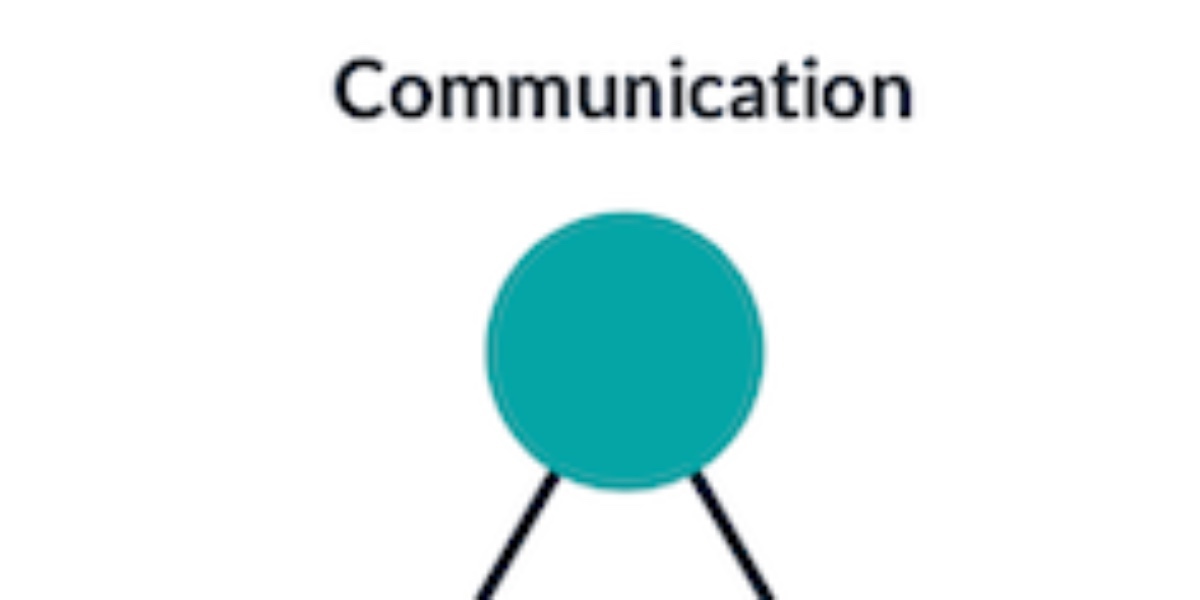
CART stands for Communication, Affinity, Shared Reality and Trust.
The formula is simple:
Communication + Affinity + Shared Reality = Trust.
Communication is not just about sending information. It is about creating clarity. In a support role, good communication removes anxiety. It answers the questions people are silently asking: Has this been done? Is this under control? What happens next? Do I need to worry?
Affinity is how care is felt. In the workplace, this does not mean being soft or sentimental. It means people feel that you understand what matters to them. It means they feel you have their back. A simple way to build affinity is to be interested, not interesting. Listen to understand, not just to respond.
Shared Reality means we both understand the context, meaning and stakes of a situation. Trust often breaks down when only one person understands why something matters. When people share the same reality, they stop working from assumptions and start working from alignment.
When these three elements are strong, trust grows.
And trust is never static. In every relationship, it is either expanding or contracting. Every email, conversation, delay, update, tone of voice and act of ownership either builds trust or reduces it.
So, how do you become indispensable in an AI-enabled world?
Do not try to compete with technology on speed alone. Use AI to become more efficient, but use your human skills to become more valuable.
Become the person who creates clarity.
Become the person who reduces anxiety.
Become the person who understands the context.
Become the person who communicates clearly, shows care and creates shared reality.
Because AI can make you faster.
But relationships make you indispensable.